
A roof is made up of several parts that work together to protect a home from rain, wind, and changing temperatures. While shingles often receive the most attention, smaller components also play an important role in keeping moisture out. One of these essential parts is roof flashing, which helps seal vulnerable areas where water could enter. Proper maintenance of these areas can reduce the risk of leaks and extend the overall life of a roofing system.
Why Flashing Needs Regular Attention
Flashing is typically installed around roof features such as chimneys, skylights, vents, valleys, and wall connections. These locations naturally experience more water flow than flat roof surfaces. Over time, constant exposure to weather can cause materials to loosen, corrode, or shift.
Ignoring these small changes may allow water to seep beneath roofing materials. Once moisture reaches the underlying structure, it can affect insulation, wood, ceilings, and even interior walls. Regular inspections help identify minor issues before they become larger repair concerns.
Signs That Maintenance May Be Needed
Rust or Corrosion
Metal flashing can develop rust after years of exposure to moisture. While small surface discoloration may not immediately affect performance, extensive corrosion can weaken the material and reduce its ability to keep water out.
Loose Sections
Strong winds, seasonal expansion, and natural aging may cause flashing to pull away from the roof surface. Loose sections create small gaps where water can enter during heavy rainfall.
Damaged Sealant
Many flashing installations include sealants to strengthen waterproof protection. As these materials age, they may crack, dry out, or separate from the surface. Replacing worn sealant at the right time helps maintain a secure barrier.
Water Stains Indoors
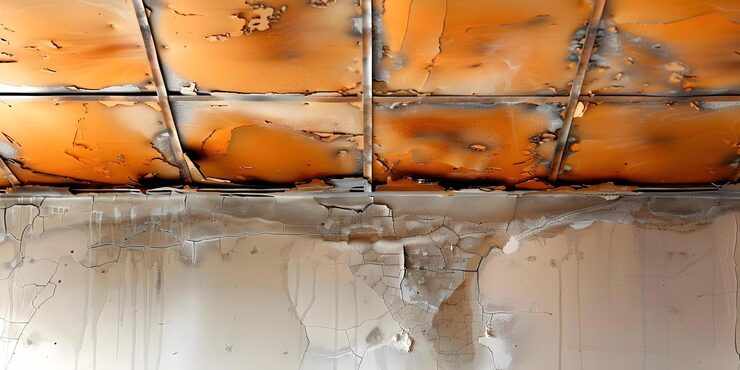
Brown stains on ceilings or walls can indicate moisture entering through roof penetrations. Although the source may vary, damaged flashing is one possible cause that should be inspected promptly.
Practical Maintenance Habits
Schedule Routine Roof Inspections
Checking the roof once or twice each year allows homeowners to spot visible damage before it becomes severe. Inspections after storms are also helpful because strong winds and debris can affect roof components.
Keep Roof Areas Clean
Leaves, branches, and other debris often collect around chimneys, valleys, and vents. Removing these materials helps water drain properly and reduces prolonged moisture exposure around flashing.
Address Minor Problems Early
Small cracks, loose fasteners, or lifting edges may seem insignificant at first. Repairing these issues early can prevent larger problems that require more extensive work later.
Seasonal Considerations
Different seasons place different demands on roofing materials. During colder months, freezing and thawing cycles can cause materials to expand and contract. In warmer seasons, prolonged sunlight may gradually affect sealants and exposed metal surfaces.
Regular seasonal inspections make it easier to identify weather-related wear before it leads to water intrusion. Paying attention after heavy rainfall or snowmelt is especially useful since these conditions reveal areas where drainage may be less effective.
Understanding the Importance of Professional Assessment
While homeowners can perform basic visual inspections from the ground, some concerns require a closer evaluation. Certain flashing problems develop beneath roofing materials and cannot be identified without a detailed inspection.
Anytime Roofing explains that regular evaluations help identify early signs of wear and allow maintenance decisions to be based on the actual condition of the roofing system rather than visible symptoms alone.
Common Mistakes to Avoid
Delaying Small Repairs
Waiting too long to address minor flashing concerns may allow moisture to spread into surrounding roof structures. Early maintenance usually involves less work than repairing water damage later.
Walking on the Roof Without Experience
Roofs can be slippery and fragile. Walking across roofing materials without proper knowledge may cause accidental damage or create safety risks.
Using Temporary Fixes
Applying excessive caulk or unsuitable repair products may temporarily hide a problem without solving its underlying cause. Proper repairs should focus on restoring the flashing so it continues directing water away from vulnerable areas.
Building a Long-Term Maintenance Routine
A simple maintenance schedule can make a noticeable difference in roof performance over time. Cleaning debris, checking visible roof features, monitoring indoor signs of moisture, and arranging periodic inspections all contribute to better protection.
Instead of waiting for leaks to appear, homeowners benefit from treating maintenance as a regular part of property care. Consistent attention supports the durability of roofing materials and helps reduce unexpected repair needs.
Conclusion
Roof protection depends on every component working together effectively. Although it is often overlooked, roof flashing plays an important role in directing water away from vulnerable areas of the roof. Regular inspections, timely maintenance, seasonal awareness, and prompt repairs all help preserve its performance. By following practical maintenance habits and responding to early warning signs, homeowners can better protect their property from moisture-related issues throughout the year.





Write a comment ...