
Roofs are not interchangeable products. A covering that performs well on a coastal cottage may fail within a few seasons on a mountain cabin, and the reverse is equally true. The reasons behind these differences are practical rather than aesthetic. Climate, architecture, budget, and building codes all influence which materials make sense for a given structure. Understanding those factors explains why no single shingle type suits every home.
Climate and Weather Exposure
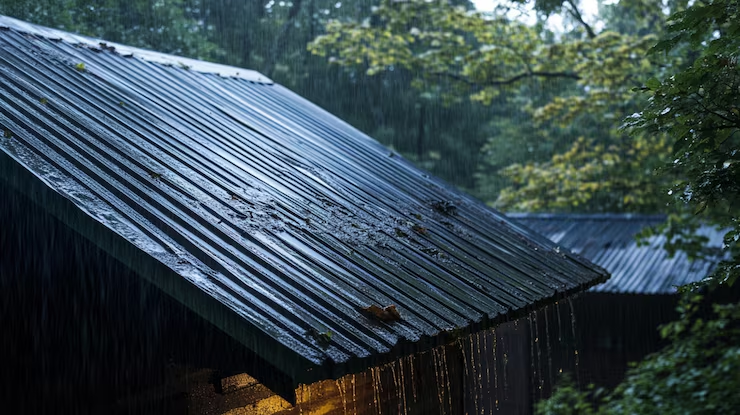
The most obvious variable is weather. Homes in regions with heavy snowfall must support the weight of accumulated snow and resist freeze-thaw cycles that can crack inferior materials. In hot, sunny climates, ultraviolet radiation breaks down many organic materials over time, so reflectivity and heat resistance become priorities. Coastal areas introduce salt spray and high winds, which corrode fasteners and strip poorly attached coverings. A homeowner in a hurricane zone needs products tested for wind uplift, while someone in a dry desert climate may care more about thermal performance. These regional pressures mean manufacturers design and market different product lines for different parts of the country.
Roof Design and Pitch
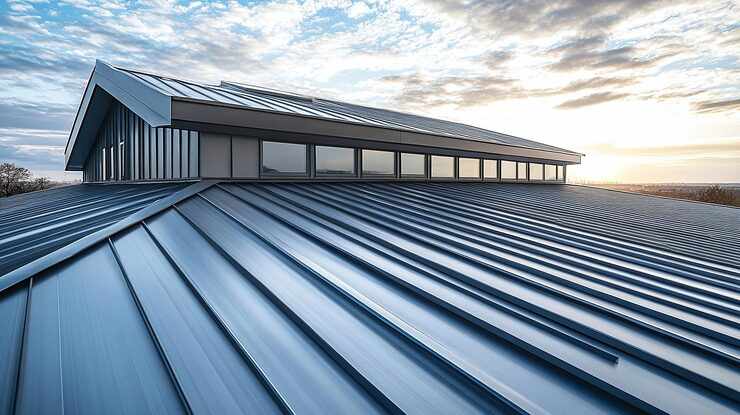
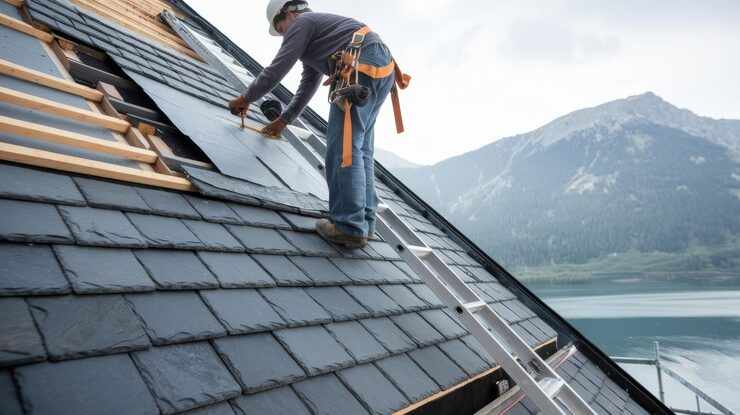
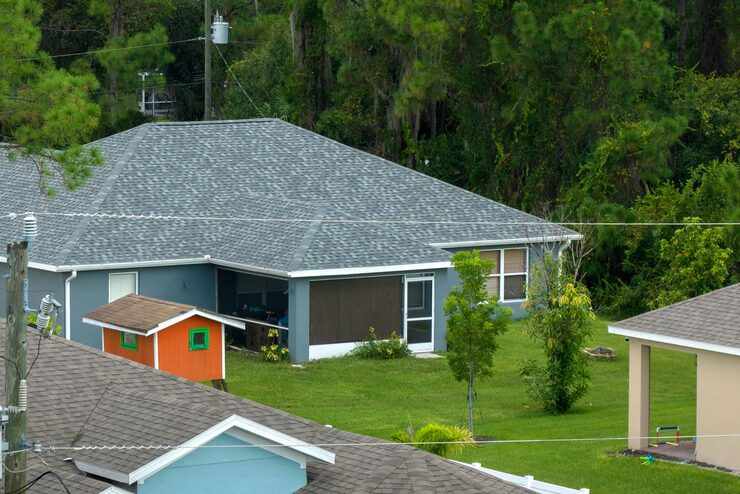
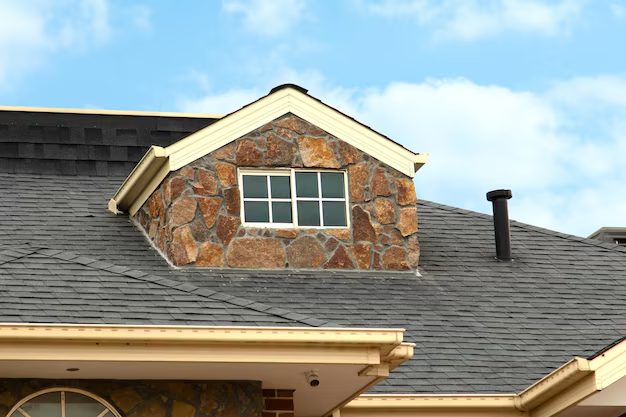
A roof's slope is another deciding factor. Steep roofs shed water quickly and can accommodate a wide range of materials, including small overlapping units. Low-slope roofs drain slowly, so they require coverings with sealed seams or continuous membranes to prevent water from seeping underneath. Complex rooflines with valleys, dormers, and multiple intersections create more opportunities for leaks and demand materials that are easy to cut, fit, and flash properly. A simple gable roof on a modest house offers more flexibility than an intricate design on a larger home, and the chosen roofing shingles must match that geometry.
Structural Capacity and Weight
Not every house can carry the same load. Older homes were often framed with lumber sized for lighter coverings, and adding heavy materials could require expensive structural reinforcement. Lightweight options reduce stress on rafters and trusses, which matters in regions prone to earthquakes or where snow loads are already a concern. Conversely, some homeowners prefer heavier products for their durability and longevity, accepting the added cost of reinforcing the frame. The decision is ultimately an engineering one, not merely a matter of taste.
Aesthetic and Architectural Consistency
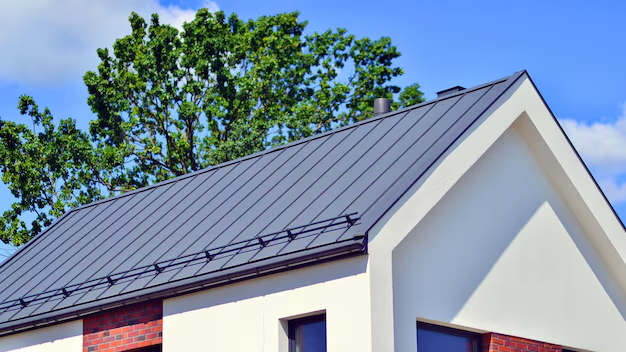
Neighborhood character and architectural style also play a role. Historic districts may require specific colors, profiles, or materials to preserve a consistent look. A modern minimalist home may call for clean lines and uniform textures, while a traditional cottage might suit warmer, more varied tones. Homeowners' associations sometimes impose additional restrictions. These rules exist because roofs are highly visible, and a mismatched covering can undermine the appearance of an entire street. Practical needs and visual coherence often pull in the same direction, but not always, which is why compromises are common.
Budget, Longevity, and Maintenance
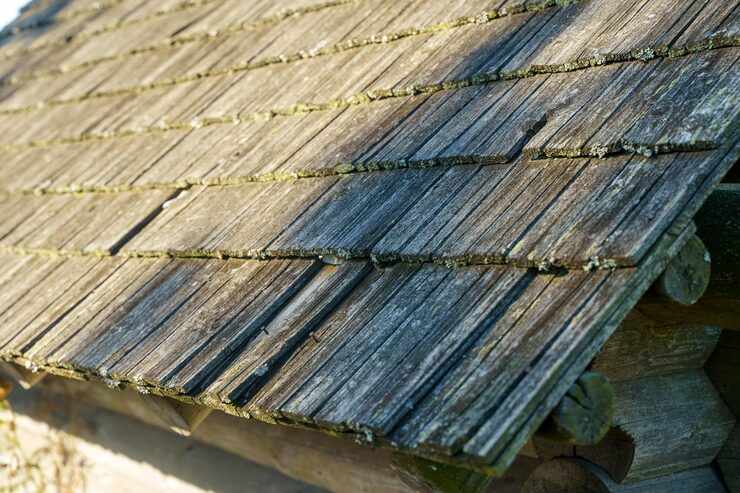
Cost is rarely absent from the conversation. Some materials are inexpensive upfront but require more frequent replacement, while others demand a higher initial investment and deliver decades of service. Maintenance requirements differ too: some surfaces need periodic cleaning, while others resist moss and algae naturally. A homeowner planning to stay for decades may justify a premium product, whereas someone preparing to sell might choose a cost-effective option that still meets local expectations. Lifecycle cost, not sticker price alone, should guide the decision.
Local Codes and Insurance Incentives
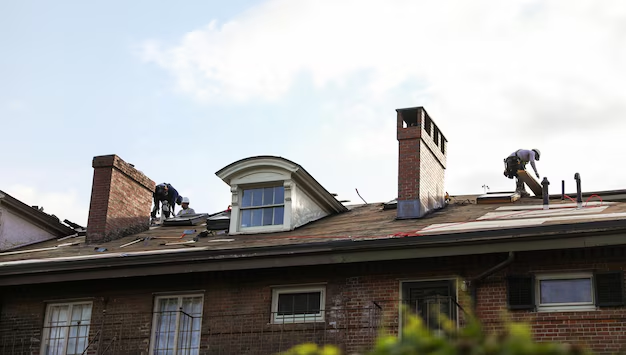
Building codes set minimum standards for fire resistance, wind rating, and installation methods. Insurers may offer discounts for impact-resistant or fire-rated coverings, effectively changing the math for homeowners in high-risk areas. In some jurisdictions, certain materials are prohibited outright because of wildfire danger or storm vulnerability. These regulations ensure that whatever is installed can withstand the specific hazards of the region.
Conclusion
Choosing a roof covering is a process of matching material properties to a particular building and its environment. Climate, slope, structure, style, budget, and regulation all intersect, which is why a single product cannot serve every home. Homeowners who understand these variables make better decisions, and they are less likely to face premature failure or unnecessary expense. In the end, the right anytime roofing solution is the one that fits the house, the location, and the people living under it.





Write a comment ...