
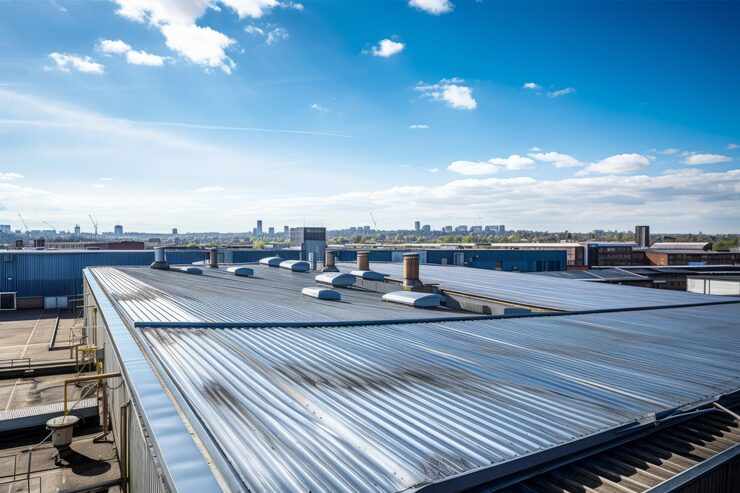
Flat roofs are common on commercial buildings, apartment complexes, and many modern homes. Unlike pitched roofs that shed water quickly, flat roofs rely on careful design and maintenance to manage drainage and weather exposure. When problems appear, knowing which details matter most can help property owners understand the scope of work and make informed decisions.
Drainage and Ponding Water
The single most important detail on any flat roof is drainage. Even a slight slope, typically one-quarter inch per foot, directs water toward drains, scuppers, or gutters. When that slope is compromised by settlement, debris, or added equipment, water pools on the surface. This condition, known as ponding, puts constant stress on the membrane and seams.
During an inspection, anytime roofing professionals check whether water remains 48 hours after rain. Standing water accelerates deterioration, promotes algae and moss, and can eventually cause structural sagging. Correcting drainage may involve clearing blocked drains, adjusting insulation slopes, or installing additional outlets. Ignoring this detail often means repeat failures, no matter how well the membrane itself is patched.
Membrane Condition and Seams
The membrane is the visible waterproof layer, but its seams and flashings matter just as much as the field material. Common membranes include EPDM rubber, TPO, PVC, and modified bitumen. Each has different repair methods, so identifying the material correctly is essential before any work begins.
Seams are typically the first place to fail. Adhesive can weaken, heat welds can separate, and mechanical fasteners can back out. Blisters, wrinkles, and punctures also signal trouble. A thorough assessment distinguishes between isolated damage and widespread deterioration. If the membrane is nearing the end of its service life, patching may only delay the inevitable. If damage is localized, targeted repairs can extend performance for years.
Flashing, Edges, and Penetrations
Flashing protects the junctions where the roof meets walls, parapets, vents, skylights, and HVAC units. These transitions endure more movement and stress than the flat field, making them frequent sources of leaks. Cracked caulk, lifted metal, and deteriorated boots around pipes all allow water to enter.
Edge details matter too. Drip edges, gravel stops, and termination bars keep water from seeping behind the membrane. Penetrations for pipes, conduits, and rooftop equipment require properly sealed boots and collars. Any repair plan should address these details individually rather than treating the roof as a single uniform surface. Overlooking flashing is one of the most common reasons leaks persist after a repair.
Insulation and Substrate Moisture
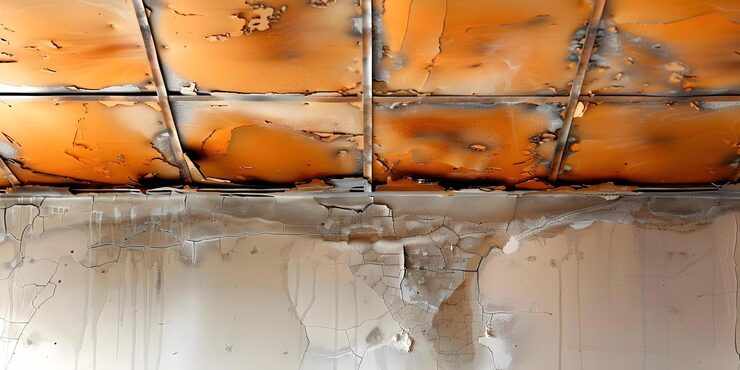
Below the membrane lies insulation and the structural deck. If water has already penetrated, insulation can become saturated, losing its thermal value and adding weight. Trapped moisture also damages the deck over time, leading to rot or corrosion. Moisture surveys, including infrared scanning or core sampling, help identify wet areas that are not visible from above.
When saturation is found, the affected insulation usually must be removed and replaced before a new membrane is installed. Repairing only the surface while leaving wet insulation in place traps moisture and causes premature failure. This detail is often underestimated, yet it determines whether a repair lasts months or decades. A qualified flat roof repair specialist will always verify substrate conditions before finalizing a scope of work.
Age, History, and Overall Condition
The age of the roof and its maintenance history provide essential context. A five-year-old membrane with a single puncture is a straightforward repair. A twenty-year-old roof with multiple patches, recurring leaks, and widespread blistering may be a candidate for replacement. Records of past repairs, inspections, and storm damage help professionals judge whether restoration is realistic.
Building use also matters. Foot traffic, heavy equipment, chemical exhaust, and grease from kitchen vents all affect different roof areas differently. Understanding these patterns helps pinpoint why failures occur and prevents the same problem from returning. A repair that ignores the underlying cause is simply a temporary fix.
Conclusion
Flat roof repairs succeed or fail based on details: drainage, membrane seams, flashing, insulation moisture, and overall roof history. Property owners who understand these factors can ask better questions, evaluate proposals more critically, and avoid repeated leaks. A careful assessment today often saves significant expense tomorrow, extending the life of the roof and protecting the building beneath it.



Write a comment ...